Rare Stamps Worth Money: Is Yours Rare, or Just Old?
A stamp can be a century old and still be worth pennies — most of them are. What makes an ordinary-looking stamp in your own album rare is something narrower: a printing error, a recognised variety, a short print run, or a perforation and watermark combination that only a few sheets carried. This guide shows you how to spot those signals on the stamps you already own, and the red flags that mean yours is one of millions.
Fast Triage
Try this in the app now.
Scan quickly to shortlist likely issue families before applying this rarity filter and risk checklist.
AI-powered identification, fast scan, free to install.
Rarity Signals
Price follows scarcity plus demand, not age alone.
Use this guide as a filtering model: issue-level rarity indicators, condition penalties, then proven buyer demand.
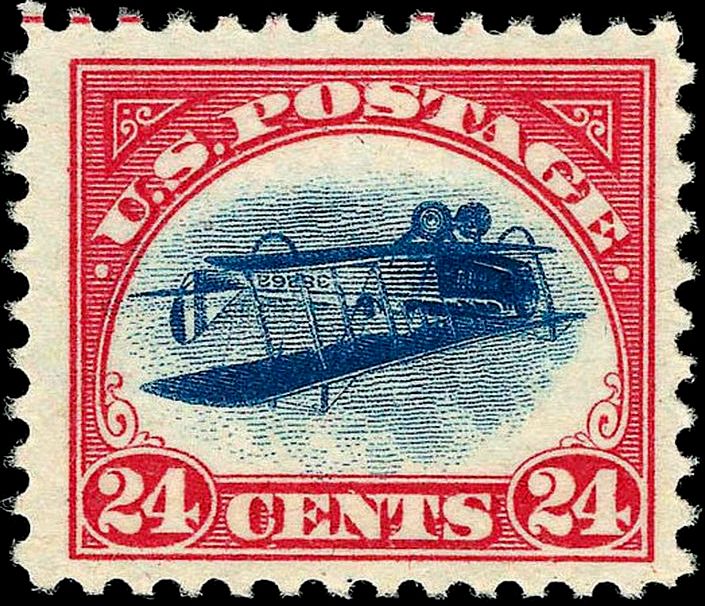
Image: US Airmail Inverted Jenny 24c, 1918. Bureau of Engraving and Printing. Public domain, via Wikimedia Commons.
1) The five drivers of high-value rarity
Five factors drive high stamp values: absolute scarcity, demand depth, condition sensitivity, recognizability, and provenance - and a genuinely rare stamp usually scores on several at once, not just one.
- Absolute scarcity: very low surviving population, not just low printing volume.
- Demand depth: enough active buyers in major markets.
- Condition sensitivity: premium examples earn outsized price multiples.
- Recognizability: iconic issues attract more bidders and media attention.
- Provenance: documented ownership and certification reduce buyer risk.
Free · iOS & Android
Skip the catalogue: photograph the stamp
StampID reads country, era, catalogue listing and a value range from one photo of the front. Scan first, then use this guide to verify the details.
2) Fast screening checklist: rare vs likely common
To screen a stamp quickly, weigh four signals - issue family, condition, market evidence, and authentication path - where "potentially rare" patterns point to a key issue, error, or short-lived overprint and "likely common" patterns point to mass definitives with faults.
| Signal | Potentially rare | Likely common |
|---|---|---|
| Issue family | Known key issue, error, or short-lived overprint | Mass definitive issue with many printings |
| Condition | Strong centering, intact perforations, no thins | Heavy faults, clipped perfs, repairs |
| Market evidence | Multiple recent sold records | Only optimistic asking prices |
| Authentication path | Certifiable with known markers | No clear differentiator from common variant |
- Confirm exact catalog number and variant field.
- Document perforation and watermark findings.
- Log visible condition faults in writing.
- Check recent sold comps by condition tier, not by headline price.
3) Historical examples and why they matter
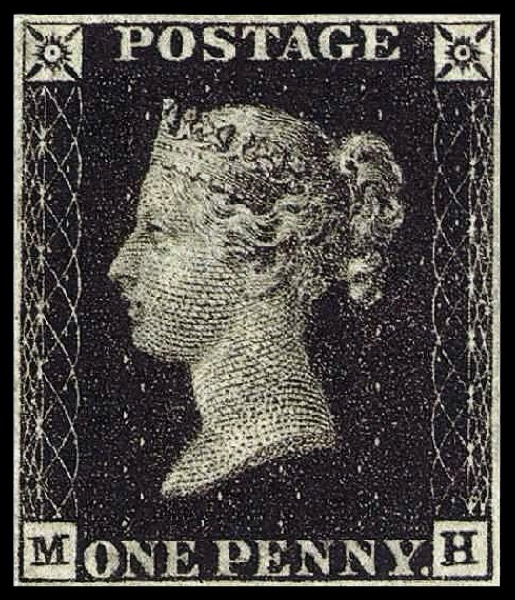
Penny Black, General Post Office of the UK. Public domain, via Wikimedia Commons.
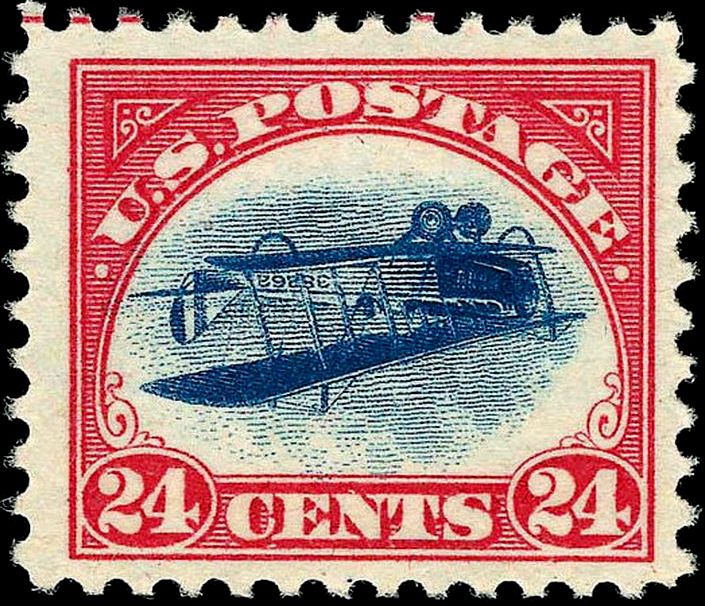
Inverted Jenny, U.S. Postal Service. Public domain, via Wikimedia Commons.
Takeaway for modern collectors
Famous examples matter because they teach decision logic: rarity alone is not enough. You need liquid demand and trustworthy evidence. The same logic applies to mid-tier material, where false positives are more common.
4) Red flags that usually signal overvaluation
The most common overvaluation red flags are missing sold-price evidence, no close-up photos of margins and the back, prices anchored to catalog maximums without condition adjustment, and a seller who avoids certification on supposedly valuable material.
- "Only one on eBay" claims without sold-price evidence.
- No close-up photos of margins, perforations, or back side.
- Price anchored to catalog maximum without condition adjustment.
- Seller avoids certification for supposedly high-value material.
- Confusion between reprint, forgery, and original issue.
5) Bridge rarity research to valuation
After rarity screening, move into price range construction and confidence notes:
- Use the Stamp Value Checker Guide for comp-based pricing ranges.
- Run photo identification checks before listing or buying.
- Use old-stamp identification techniques for classic-era issues.
- How much is my stamp worth? - beginner valuation guide with examples.
Try this in the app now.
Use StampID to scan your next candidate and apply this rarity-vs-hype framework immediately.
Free install for faster rarity screening.
Editorial note: Rare-stamp markets can be volatile. For high-value pieces, consider professional certification before sale.
Frequently Asked Questions
What stamps are worth the most money?
The most valuable stamps are scarce issues with strong, documented demand, such as the British Guiana 1c Magenta (sold for about $9.5 million in 2021), the Treskilling Yellow, and the US Inverted Jenny. They command top prices because they combine extremely low surviving populations with iconic status and certified provenance, not because of age alone.
How do I know if my stamp is rare?
A stamp is likely rare only if it is a known key issue, error, or short-lived overprint with a low surviving population, intact condition, and multiple recent sold records. Confirm the exact catalog number and variant, document perforation and watermark, and check sold comps by condition tier - a common definitive in poor condition is almost never rare regardless of its age.
Are old stamps valuable?
Old stamps are not automatically valuable; many 19th- and early 20th-century definitives were printed in the hundreds of millions and sell for a few cents. Value comes from scarcity, condition, and active demand, so a common old stamp with faults is worth little while a rare error or low-population issue can be worth thousands.
Does condition really change how much a rare stamp is worth?
Yes, condition can swing a rare stamp's value by many multiples - premium examples with strong centering, intact perforations, and no thins routinely sell for several times the price of faulty copies. Clipped perfs, thins, tears, or repairs sharply reduce value even on genuinely scarce issues.
Should I get a rare stamp certified before selling?
For high-value or potentially rare stamps, professional certification (expertization) is strongly recommended before selling, because it confirms authenticity and identity markers and reduces buyer risk. Uncertified material claimed to be rare is treated as speculative by serious buyers, so certification typically widens your pool of bidders and supports a higher price.